


The shipbuilding industry does not operate like serial manufacturing.
There is no true prototype phase. Engineering, design and production frequently advance in parallel. Even vessels built to the same class evolve as requirements shift, suppliers change or operational lessons are incorporated.
For shipyards across EMEA and globally, success is no longer defined solely by delivering an accurate design. It depends on managing configuration, change and technical data across an entire vessel lifecycle — from concept design through decades of sustainment.
This reality is driving renewed focus on a PLM designed for shipbuilding: a lifecycle approach purpose-built for the operational complexity of modern shipyards.
87% of companies developing complex products such as ships report significant business impact from engineering productivity losses, including missed deadlines, higher costs and quality issues.
Shipbuilding: Reducing Engineering Time Wasters. Tech Clarity, August 19, 2025
The Cost of Disconnection
Shipbuilding remains one of the most complex forms of manufacturing, yet many organizations still operate with fragmented engineering, production and supply chain environments.
When engineering changes do not propagate clearly to production, or when procurement data falls out of sync with the latest design revision, the impact is immediate:
- Rework increases
- Procurement errors multiply
- Schedules compress
- Risk accumulates
These inefficiencies do not remain isolated. They compound across programs and erode margins, predictability and stakeholder confidence.
Research from Tech-Clarity indicates that 87% of companies developing complex products such as ships report significant business impact from engineering productivity losses, including missed deadlines, higher costs and quality issues.
Disconnection is not simply an IT problem. It is an operational liability.
Why Shipbuilding Requires a Different Lifecycle Model
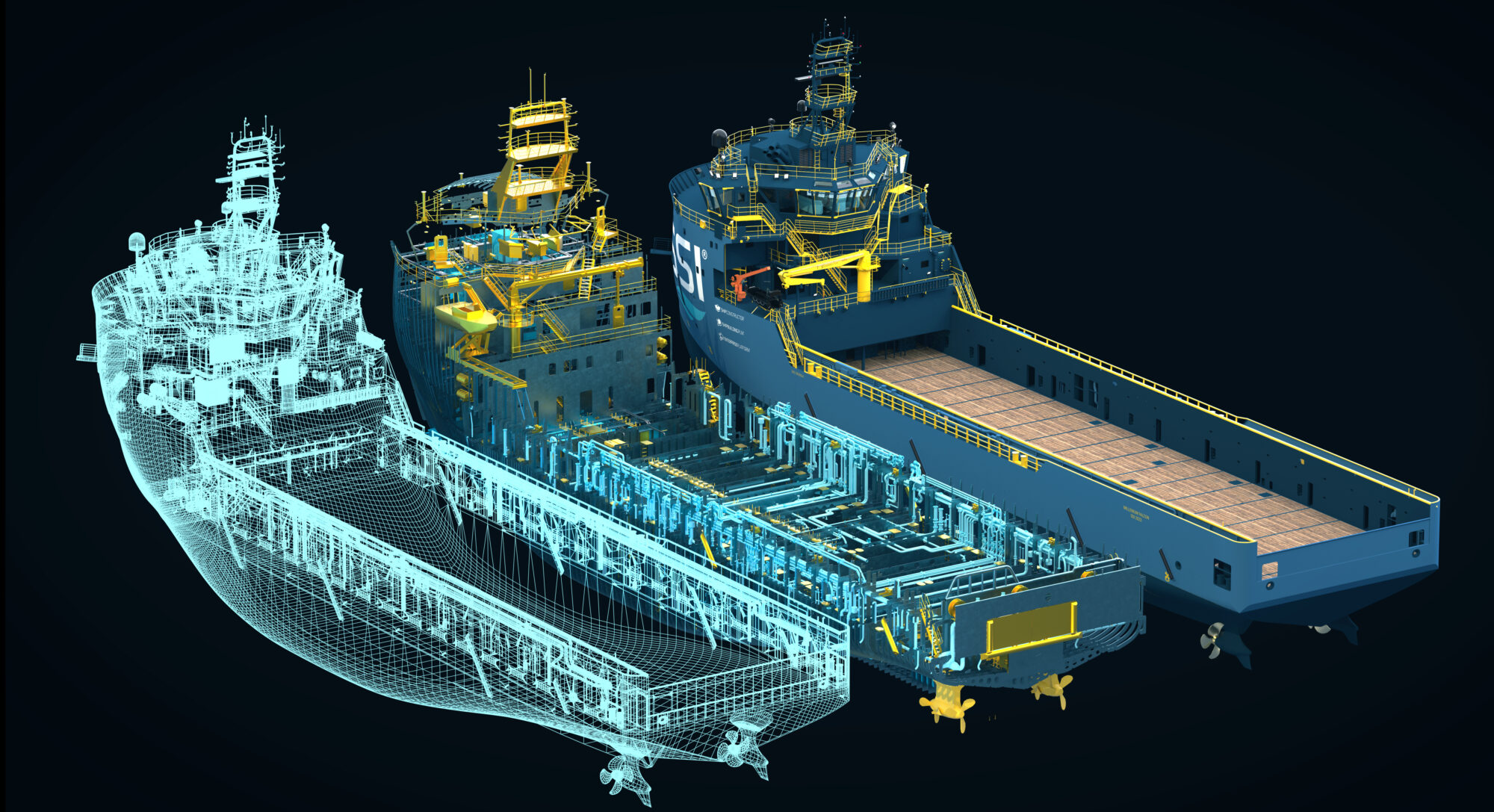
Shipyards deliver small numbers of highly customized vessels over long program timelines. Workflows must coordinate across engineering, supply chain, fabrication and module assembly — often while design continues to evolve.
This creates challenges unique to the shipbuilding environment:
- Production begins before engineering is fully complete
- Changes must propagate across distributed teams and suppliers
- Configuration must be maintained across sister ships
- Technical data must remain traceable for decades
- Regulatory and owner requirements extend long after delivery
Traditional document-driven approaches cannot reliably manage this level of lifecycle continuity.
From File Management to Lifecycle Governance
Many shipyards already rely on advanced CAD, CAM and planning tools. But managing files is not the same as governing lifecycle relationships.
A shipbuilding-specific PLM environment establishes a structured digital thread connecting:
- Requirements and functional design
- Detailed engineering and 3D product models
- Procurement and manufacturing planning
- Production workflows and as-built configuration
- Operational records supporting sustainment
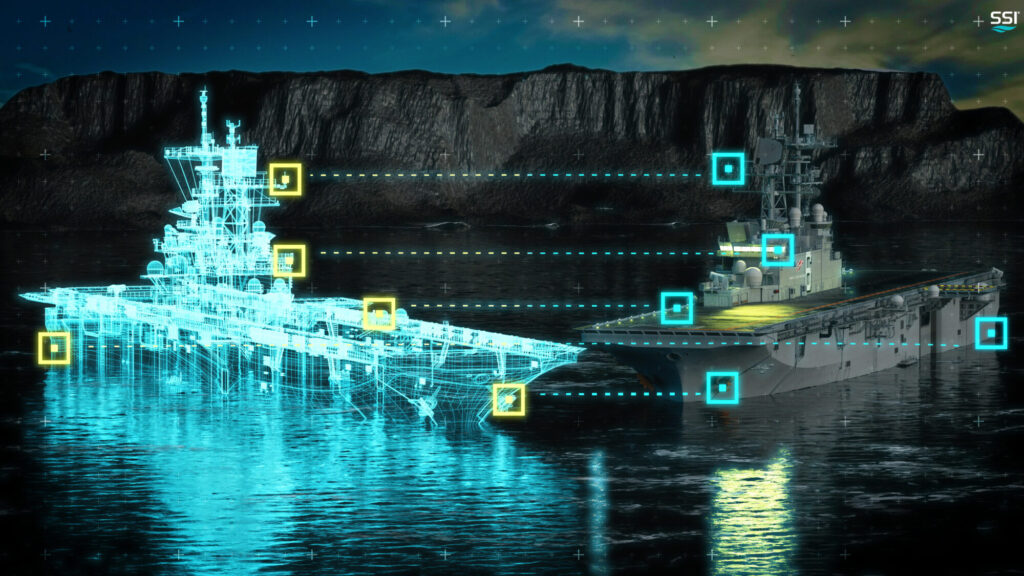
This continuity enables the development of a trustworthy digital twin — reflecting the vessel as built and maintained, not only as designed.
The difference is governance. Instead of moving files between systems, lifecycle platforms manage relationships between data, configuration and physical assets.
Managing Change Across the Shipbuilding Process
In shipbuilding, change is constant.
A modification to design may affect procurement, fabrication sequencing and installation activities already underway. Without lifecycle governance, shipyards face rework, material waste and schedule disruption.
A purpose-built PLM for shipbuilding platform provides:
- Configuration control across the full vessel lifecycle
- Traceability linking technical data to installed components
- Visibility into downstream manufacturing impact
- Collaboration between engineering and production teams
- Alignment between digital models and physical ships
PLM moves beyond document storage into operational coordination — a prerequisite for performance in complex defense and commercial programs.
Modernizing Without Disrupting the Shipyard
Shipyards operate within established ecosystems that include ERP, MRP, MES and specialized engineering tools. Full system replacement introduces risk, especially within defense-regulated environments common across EMEA.
A modern PLM platform for shipbuilding instead acts as an integration backbone:
- Enabling structured data exchange across systems
- Governing configuration without replacing core tools
- Supporting phased modernization strategies
- Scaling across multi-site and multinational programs
This approach aligns with how European and Middle Eastern shipyards modernize: incrementally, strategically and without halting production.
With PLM, efficiency and speed are improved throughout the ship lifecycle:
Overall cost savings as high as 15%
Design cycle time reduced 20% to 40% with 3D data
Reduced build time 22% or more
Lead time to design completion 30% to 50% reduction
Reduce material waste by 5% to 15%
Measurable Impact in Complex Programs
Independent analysis continues to quantify the value of lifecycle governance in engineer-to-order industries.
CIMdata reports that organizations applying structured PLM approaches achieve:
- Overall cost savings of up to 15%
- Design cycle time reductions of 20% to 40%
- Build time reductions exceeding 20%
These gains stem from improved coordination across engineering, manufacturing and supply chain activities — the friction points that most frequently disrupt shipbuilding programs.
Lifecycle Governance Is Becoming Essential
Across EMEA and globally, naval and commercial programs are increasing in technical and regulatory complexity. Shipyards must manage evolving requirements while maintaining configuration accountability across decades of service.
Lifecycle governance is no longer optional. It is foundational to competitiveness, compliance and long-term operational resilience.
A Shipbuilding-Specific Approach
Horizontal PLM platforms developed for automotive or aerospace environments often require extensive customization to reflect shipyard realities.
SSI developed SSI ShipbuildingPLM, built on the Aras Innovator platform, specifically to support shipbuilding data structures and relationships. Integrated with SSI ShipConstructor and enterprise systems, it enables lifecycle continuity across design, construction and sustainment without forcing disruptive system replacement.
Shipbuilding-specific configuration models support assemblies, materials and serialized components in ways aligned with actual shipyard workflows — accelerating implementation and reducing complexity.

“AI can support both the creative and technical aspects of ship design, from generative approaches to detailed production planning.“
– Denis Morais, SSI CEO, The Next Wave: How AI is Reshaping Shipbuilding: Part One – The Future of AI in Shipbuilding
Enabling the Next Phase of Digital Shipbuilding
Digital transformation in shipbuilding depends on structured lifecycle data capable of supporting analytics, automation and emerging AI applications.
CIMdata notes that AI adoption requires governed, traceable information spanning engineering, production and operational service. Because each vessel is unique, AI systems must rely on shipyard-specific lifecycle knowledge rather than generic datasets.
By establishing a connected digital thread, shipyards create the foundation for innovation while protecting sensitive program data and aligning with regulatory requirements.
Supporting Vessels for Decades
Ships remain operational for decades, requiring sustained configuration visibility to support refits, modernization and compliance.
Maintaining an accurate digital twin enables operators to:
- Track component histories
- Verify installed configurations
- Plan upgrades with confidence
Lifecycle continuity also preserves institutional knowledge as experienced personnel retire — an increasingly urgent challenge across European and global shipbuilding workforces.
From Digital Tools to Connected Shipbuilding
The next phase of shipbuilding transformation will not be defined by isolated software tools. It will be defined by how effectively shipyards connect lifecycle knowledge across design, construction and sustainment.
Purpose-built PLM platforms for shipbuilding provide the governance required to align people, processes and data across that lifecycle.
For shipyards navigating increasing program complexity, defense accountability and long-term sustainment expectations, lifecycle governance is no longer a technical enhancement. It’s a strategic necessity.